
Cultural Intelligence for Fashion, Luxury & Technology
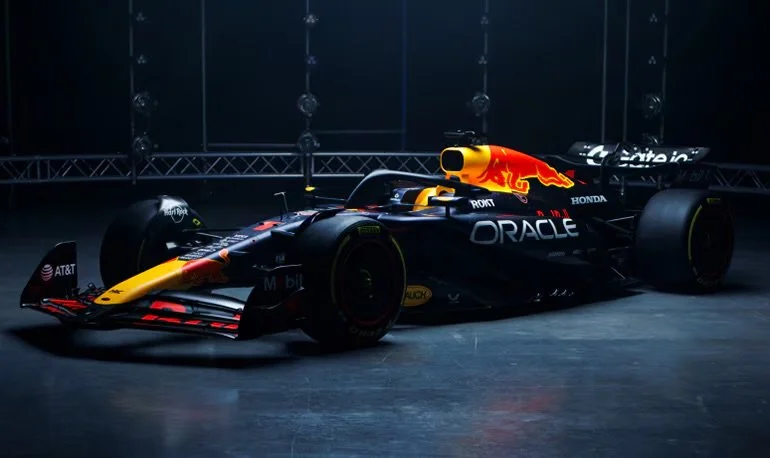
As Formula 1 breaks records on the track, luxury brands are seizing pole position off it — transforming race weekends into cultural stages where heritage, innovation, and spectacle converge.
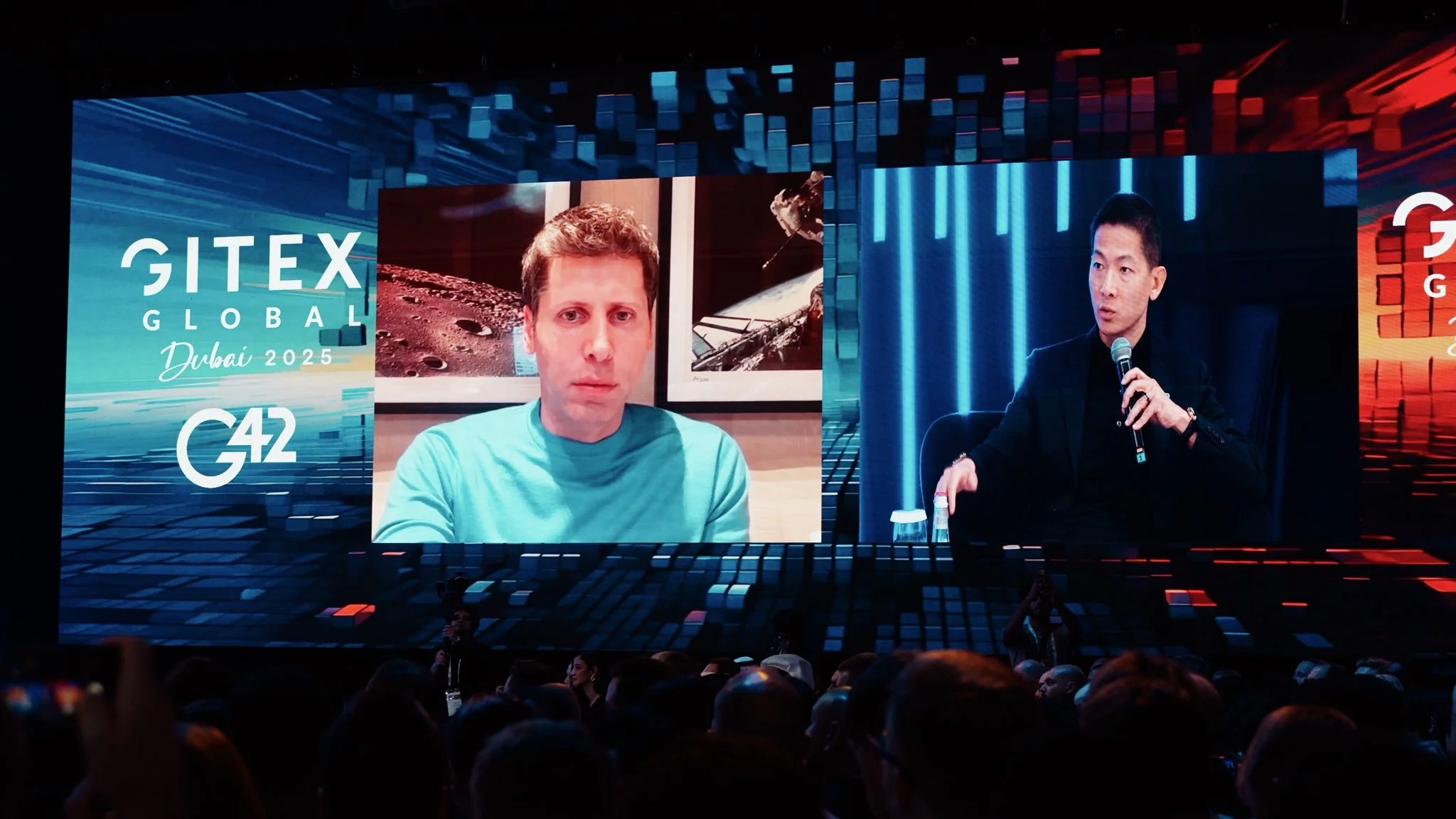
At GITEX GLOBAL 2025, visionaries including Sam Altman and Peng Xiao explored how nations can evolve into AI-native societies — equitable, data-driven systems powered by intelligence, innovation, and collaboration.
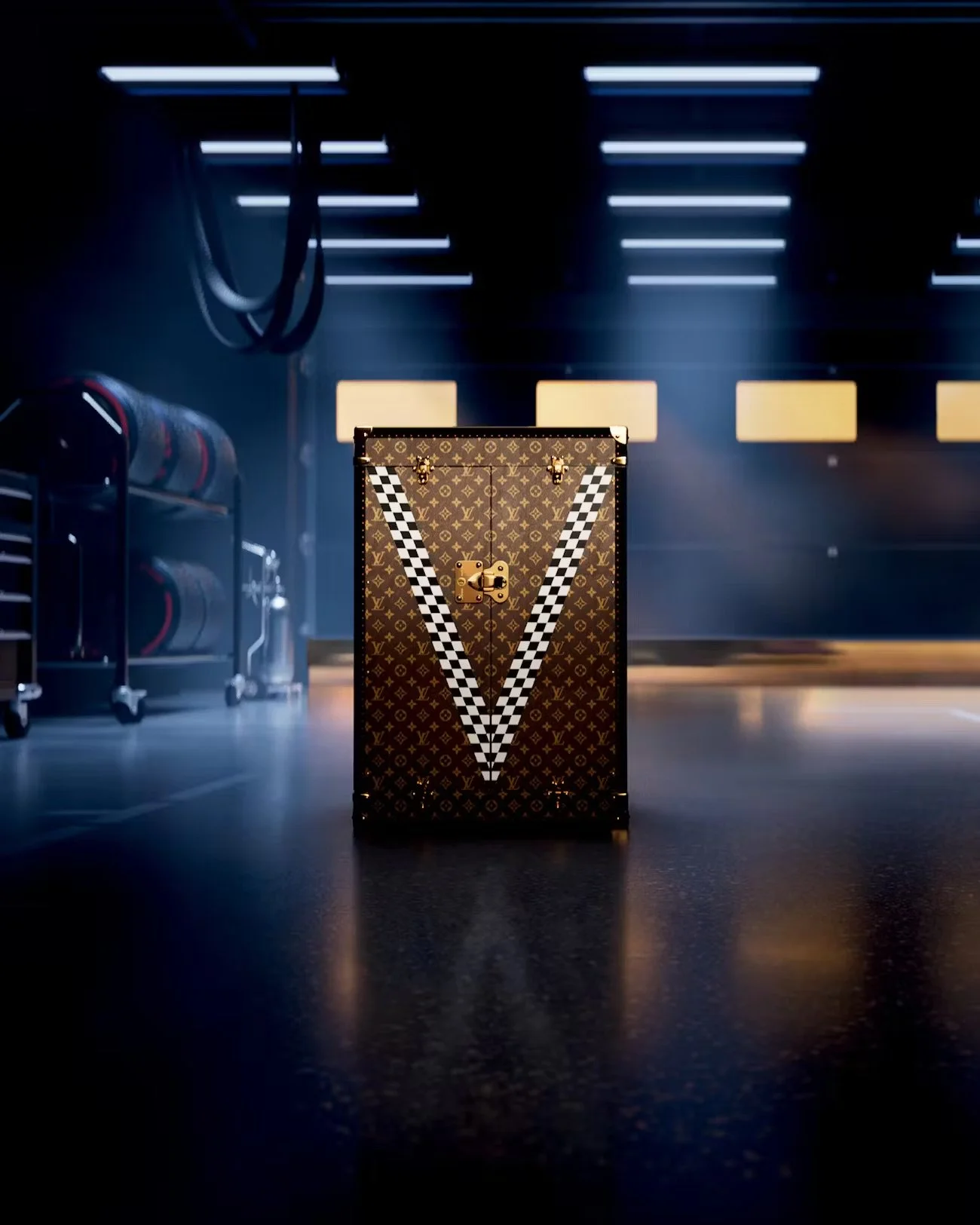
As Formula 1 breaks records on the track, luxury brands are seizing pole position off it — transforming race weekends into cultural stages where heritage, innovation, and spectacle converge.

This week, I had the honour of attending BoF Crossroads 2025 in Dubai — an invite-only gathering hosted by The Business of Fashion, bringing together a select group of global business leaders, creatives, and investors shaping the future of fashion, luxury, and beauty.

Today, fashion marketing has changed beyond recognition, with digital acceleration challenging the very notion of brand heritage. The question now is: Can legacy brands maintain their tradition and authenticity amid this great technological acceleration?

Formula 1 has evolved from an elite motorsport into a global cultural powerhouse, seamlessly blending high-performance engineering with the worlds of luxury, fashion, and entertainment. Once a niche pursuit dominated by technical aficionados, F1 now commands the attention of a new generation of fans, thanks to strategic brand partnerships, digital innovation, and the influence of star drivers like Lewis Hamilton.
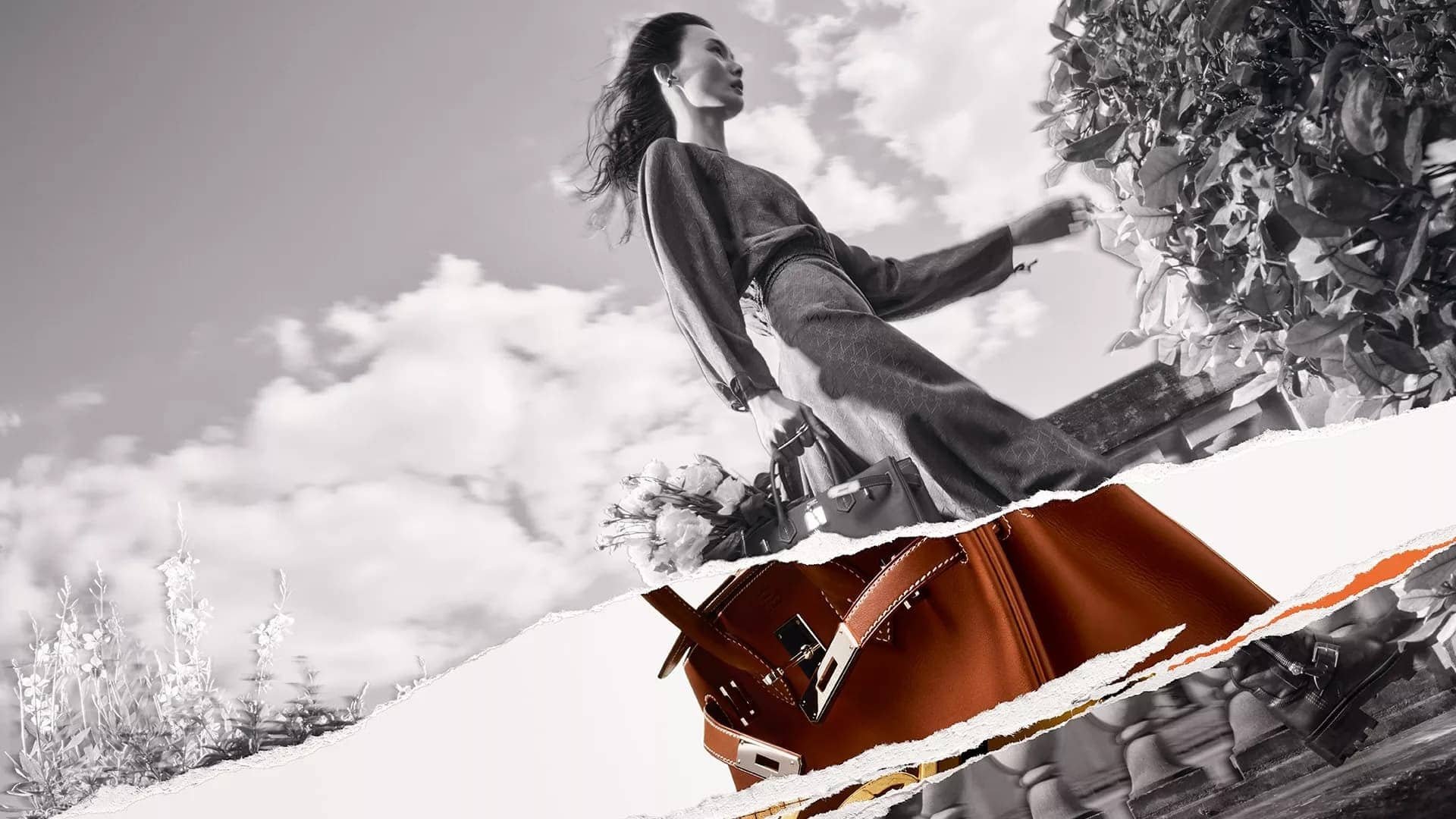
In a luxury market defined by elaborate campaigns and high-budget advertising, Hermès stands apart. The French maison, valued at over $200 billion, has built its empire without a traditional marketing department. Instead, it leverages experiential storytelling, exceptional craftsmanship, and a carefully curated sense of exclusivity. This approach doesn’t just sell products—it cements Hermès as a cultural and aspirational force in the world of luxury.

In the age of online disruption even though luxury brands and marketplaces have been working hard to improve their digital presence as e-commerce providers, macroeconomic pressures and rising prices have seriously impacted their selling opportunity amid the market slowdown. Enter, a tumultuous period for pure-play luxury marketplaces with challenges at every turn.

As the world moves away from overt displays of wealth, a new code of luxury is emerging—one defined by restraint, refinement, and quiet confidence. This understated approach transcends fleeting trends, focusing instead on impeccable craftsmanship, premium materials, and designs that whisper exclusivity rather than shout it.

When Gstaad Guy, first began his foray into social media, his trajectory defied conventional wisdom. His audience wasn’t vast, his reach wasn’t widespread, and his videos—though viral on occasion—weren’t initially attracting staggering numbers. Yet within a few short years, Gstaad Guy has not only carved out a space in the saturated world of social media influencers but has become an archetype for a new kind of influencer marketing—one that prioritizes depth over breadth and quality over quantity.

In an industry clamoring for attention through viral trends, influencer collaborations, and bold campaigns, one brand defies convention with a strategy rooted in deliberate silence. The Row, founded by Mary-Kate and Ashley Olsen in 2006, has become synonymous with quiet luxury, growing into a $1 billion powerhouse. By eschewing the noisy tactics of traditional digital marketing, the brand has cultivated a unique identity—one that speaks volumes by saying very little.

Alo Yoga has redefined the boundaries of activewear, evolving from a studio-to-street brand into a holistic lifestyle icon. Founded in 2007, Alo Yoga blends the essence of wellness and mindfulness into its eco-friendly practices and innovative designs. With high-profile collaborations, a strong social media presence, and ambitious global expansion plans, Alo Yoga is setting new standards in the world of fashion and wellness. Discover how this brand is not just selling clothing, but curating a lifestyle that resonates with the next generation of consumers.
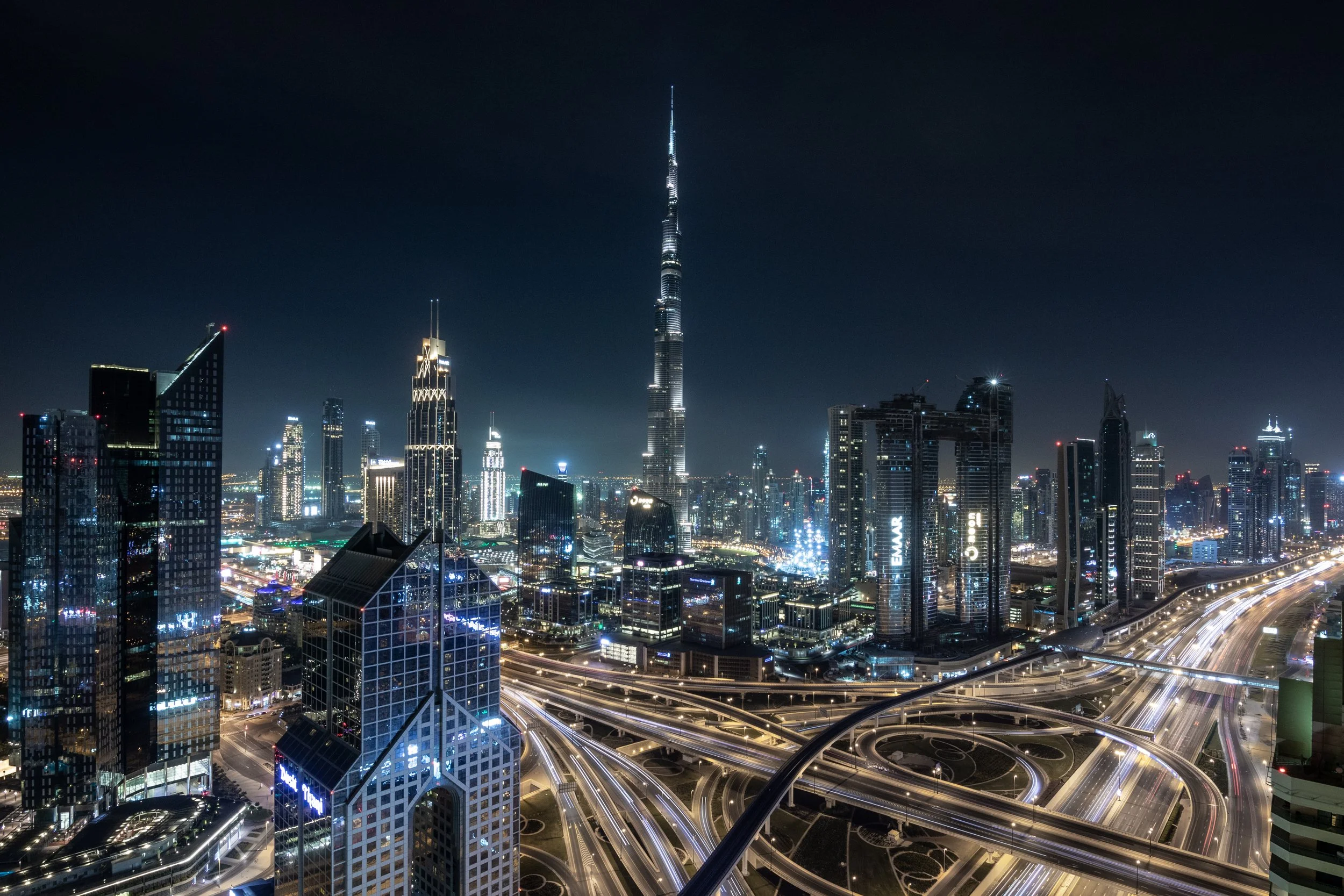
Fresh from my return from Dubai, where I immersed myself in the bustling energy of the Emirati city-state, I bring back insights into its evolving fashion landscape. Does Dubai have the potential to become a fashion capital or is there another city that’s currently a top contender?
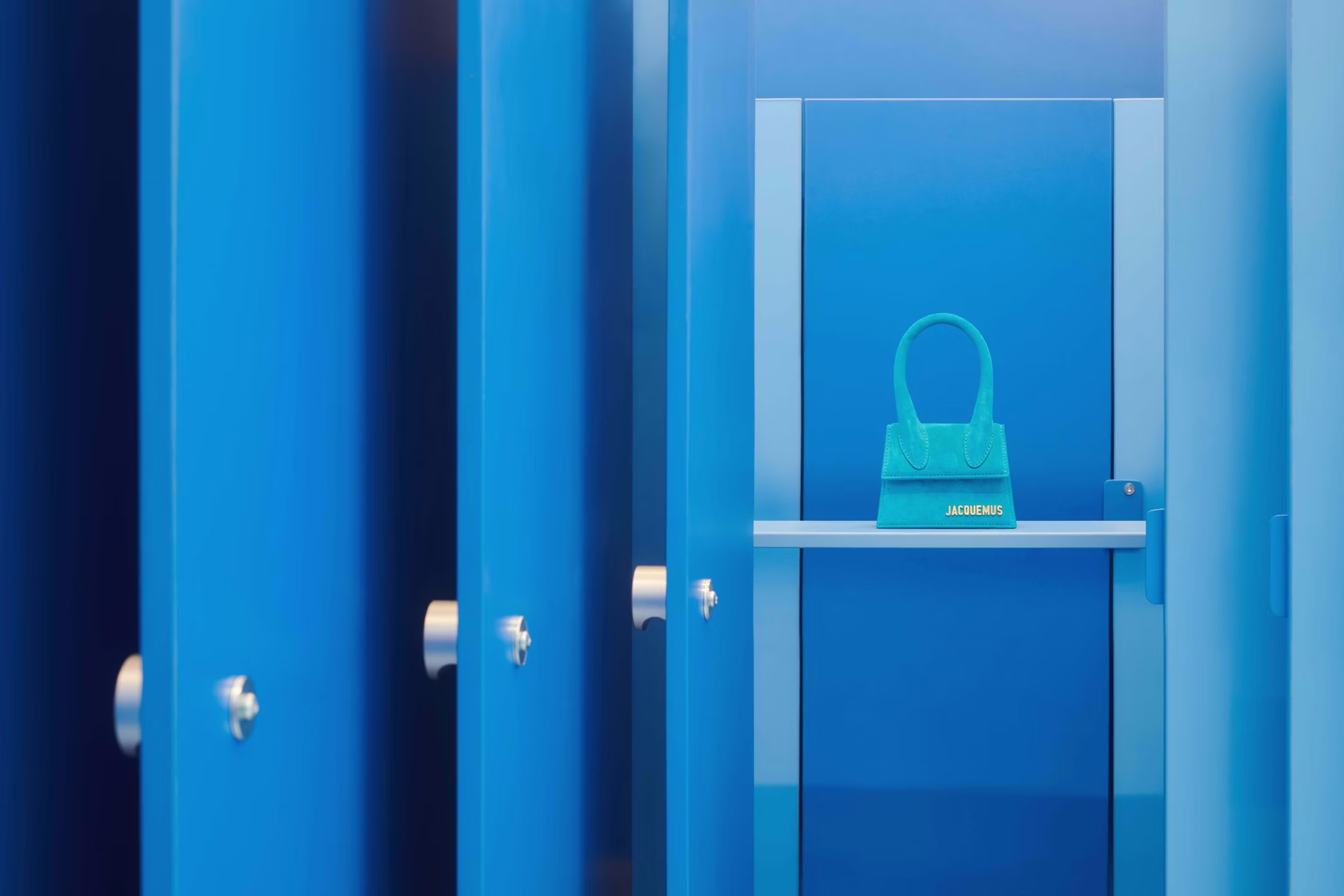
As the fashion industry enters a new era, the marketing landscape is undergoing a profound transformation. For years, performance marketing dominated the scene with its promise of trackable, instant results. However, rising costs and the tightening grip of data privacy regulations have pushed brands to rethink their strategies. Now, the spotlight is shifting back to brand marketing—a holistic approach that prioritizes emotional resonance and long-term connections with consumers. In this article, we explore how the industry is adapting, the innovative strategies reshaping brand identities, and what this means for the future of fashion marketing in 2024 and beyond.
Bungalow Playground is a private cultural intelligence platform — delivering in-depth runway analysis, strategic case studies and industry briefings at the intersection of fashion, luxury, technology and global culture. Built from direct industry access and editorial thinking, it translates cultural momentum — from Fashion Week to global sporting events — into structured insight for brands, founders and decision-makers.